
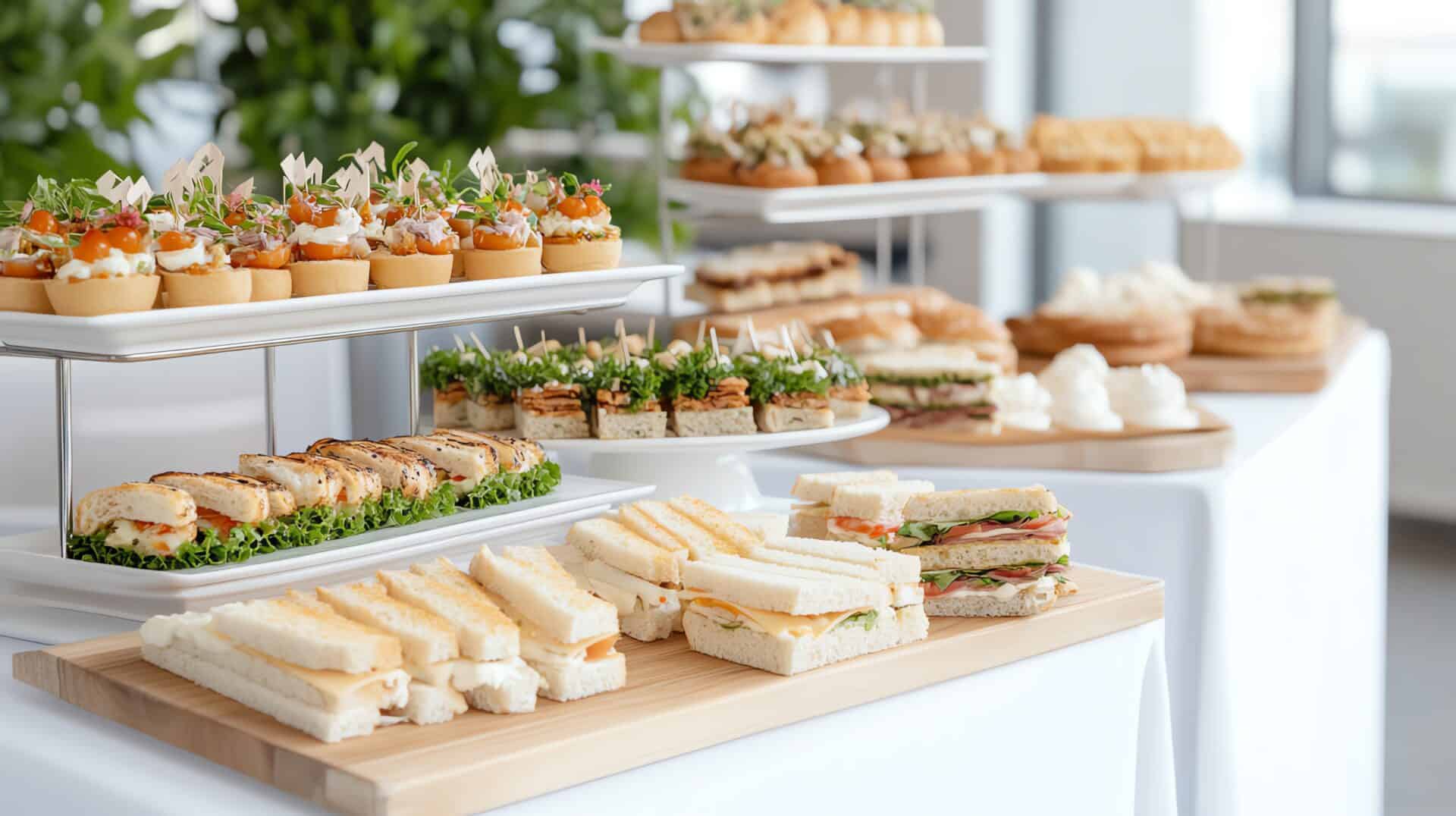
Choosing food for a funeral wake or reception can feel like one more thing to think about at an already difficult time. You may have an idea of how many people will attend, but not everyone will be able to confirm and some guests may arrive later than others. There is no single quantity that suits every gathering. When planning food for a funeral wake, consider the likely number of guests, the timing and length of the gathering, and the type of refreshments you would like to offer. A little planning can make the arrangements feel more manageable without adding unnecessary pressure.
How Do You Estimate Attendance for a Funeral Wake?
Start with the information you already have. The number of people expected at the service can provide a useful starting point, but it may not match the number who come to the wake. Some people may need to travel a long distance or attend another commitment, while others may join the reception even if they could not attend the service.
Speak with close family members and anyone coordinating the arrangements. They may have a clearer idea of which relatives, friends and colleagues are likely to come. If the venue is collecting responses, use those figures as a guide, while remembering that plans can change.
Rather than treating an early estimate as fixed, work with a realistic range. You might have a number of people who have confirmed and a smaller group whose attendance is uncertain. Sharing both figures with the venue or caterer gives them a clearer picture and a sensible basis for discussing any changes.
What Factors Affect How Much Food You Will Need and How Long the Reception Lasts?
Guest numbers matter, but they are not the only consideration. Think about when the reception will take place and what guests are likely to have eaten beforehand. A gathering around lunchtime may call for a different approach from one later in the afternoon, when people may simply want tea, coffee and something light.
The length of the reception is relevant too. A short gathering after the service may call for a simpler arrangement than a longer reception for family and friends who have travelled some distance.
Consider the people attending, too. Older relatives, young children and guests who have travelled may have different practical needs. These details will not produce an exact calculation, but they help you decide what feels appropriate.
Should You Choose Light Refreshments or a More Substantial Buffet?
There is no right or wrong format for a funeral reception. Some families may prefer simple funeral tea ideas, such as tea, coffee and a modest selection of refreshments, while others may consider funeral buffet ideas for a more substantial spread. The choice depends on the time of day, how long people are likely to stay and whether guests have had an opportunity to eat.
Think about what you want the gathering to provide. If the main purpose is to give people a chance to meet, offer condolences and spend a little time together, lighter refreshments may be enough. If guests are travelling a long way or the reception is expected to last longer, a fuller selection of food may be more suitable.
You do not need to settle every menu detail immediately. Start with the general style you have in mind, then discuss what would work for the venue and expected guest numbers.
How Should You Plan for Guests Arriving at Different Times?
Guests do not always arrive together. Some may leave the service promptly, while others need time to speak with family, travel to the venue or find parking. If people are coming from different places, their arrival times may be spread over a period.
Think about the likely flow of the reception as well as the total number attending. Let the venue or caterer know when the service is expected to finish, when guests can access the reception space and whether any timings could affect the arrangements.
Consider how the food will be presented and made available. The practical arrangements depend on the venue, catering style and length of the reception, so it is worth discussing how to accommodate guests arriving in stages.
How Can You Avoid Ordering Too Much or Too Little?
It is understandable to worry about running short of food, particularly when you want guests to feel welcome. Ordering far more than is likely to be needed can add unnecessary expense and leave you with food to manage afterwards. A realistic estimate is better than automatically adding a large allowance.
Use the best attendance information available, and explain where there is uncertainty. If some people have not confirmed, tell the caterer rather than quietly building an arbitrary extra amount into the order. They can discuss whether the menu or service arrangements can accommodate a reasonable change.
Avoid relying on a universal percentage or a fixed number of portions per guest. The right amount depends on the type of food, time of day, length of the gathering and whether refreshments are being served alongside a more substantial meal. A conversation based on your circumstances is more useful than a formula that may not fit the occasion.
If the guest number changes, pass on the update promptly. Agreeing when numbers need to be confirmed helps you understand which changes are practical.
How Should You Account for Dietary Requirements?
Where possible, ask family members or guests whether there are dietary requirements the caterer should know about. This might include allergies, intolerances or particular dietary choices. A simple, considerate question when gathering responses may be enough to identify requirements that need to be discussed.
Pass the information to the caterer clearly. If you are unsure whether a dish is suitable, avoid making assumptions and ask for the relevant ingredient or allergen information. Guests need to be able to make informed choices, especially where a food allergy is involved.
The Food Standards Agency explains that allergen information must be provided for buffet food, with information available for each item separately rather than for the buffet as a whole. Its buffet allergen guidance explains how this information should be made accessible to customers.
If a guest has an allergy, make sure the caterer knows before the menu is agreed. Ask what information can be provided and discuss any concerns directly, rather than assuming a dish is safe because it appears not to contain a particular ingredient.
When Should You Confirm Guest Numbers and What Should You Tell Your Caterer?
It is helpful to speak to a caterer once you have an initial idea of the reception, even if the guest list is not complete. An early conversation can help you understand the options and what information will be needed later. You can then agree when a more reliable number should be provided and when final changes need to be communicated.
Share the expected number of guests or a realistic range, the venue address, reception time and how long you expect people to stay. Mention any access restrictions, available facilities or venue requirements that could affect the catering. If the service and reception are at different locations, explain the timings.
It is also useful to discuss the style of refreshments you have in mind and any dietary requirements already identified. You may not have decided on a menu, and that is fine. The aim is to give the caterer enough background to talk through suitable options with you.
If numbers or timings change, let the relevant people know promptly. The deadline for confirming details will depend on the caterer, so agree it directly.
How Can Professional Catering Make the Arrangements Easier?
Arranging food for a funeral wake does not need to mean making every decision on your own. Once you have a broad idea of the likely numbers, timing and kind of reception you would like, a caterer can help you talk through the practical options. You can explain what is still uncertain and ask what information they need before anything is confirmed.
Every family and gathering is different, so the arrangements should reflect what feels suitable for the people coming together. If you would find it helpful to discuss the options, Hassle Free Weekends can talk through your requirements and the funeral catering options available. There is no need to have every detail decided before making an initial enquiry.